Map notes: the hangar problem
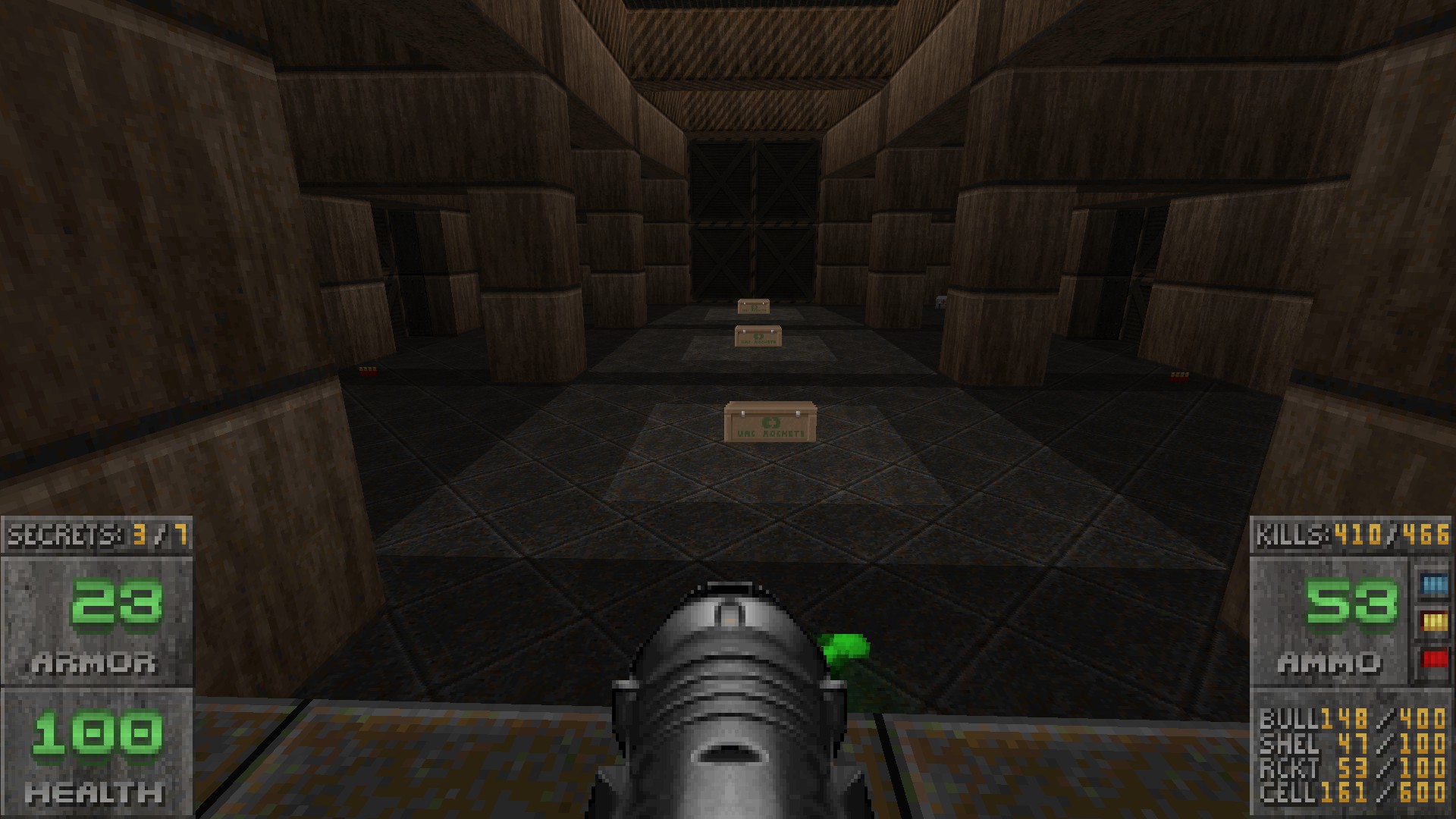
Once you notice it you cannot stop noticing it. An enormous number of shooters from this era open in a hangar, a loading bay, a dock, or some other big industrial room with a high ceiling and a vehicle in it. It looks like a lack of imagination. I think it is the opposite.
What the big room is for
A large opening room does four jobs at once:
- It shows off the engine. Height, distance, light falling from above — everything the technology can do, in the first ten seconds, before you have been given anything to do.
- It gives you room to fail. Your first fight happens somewhere you can back away. You learn that backing away works.
- It is a landmark. You will come back through this room later, and you will recognise it instantly, which means the designer can send you back through it instead of building new space.
- It explains where you are without words. Crates, a vehicle, a sign, some pipework — you know it is a working facility and that somebody was here recently.
The trap in it
The failure mode is the room that is big and says nothing. I have played a lot of community maps that open with an enormous hangar because that is what the originals did, but with three identical exits and no light doing any pointing. You stand there and pick a direction at random, and the map has already lost you.
The original maps almost never give you a symmetrical choice at the start. There is usually one exit that is brighter, closer, or framed by something. You take it without deciding to take it.
A good first room has exactly one obvious thing to do and at least one thing you will want to come back for.
The thing you come back for
That second part is the one I keep seeing skipped. In the better maps, the opening room contains something visible and unreachable: a platform you cannot climb yet, an item behind a window, a door in a colour you do not have. It costs the designer almost nothing and it does two things — it promises that the map is a loop rather than a corridor, and it gives you a reason to build a mental map instead of just walking forward.
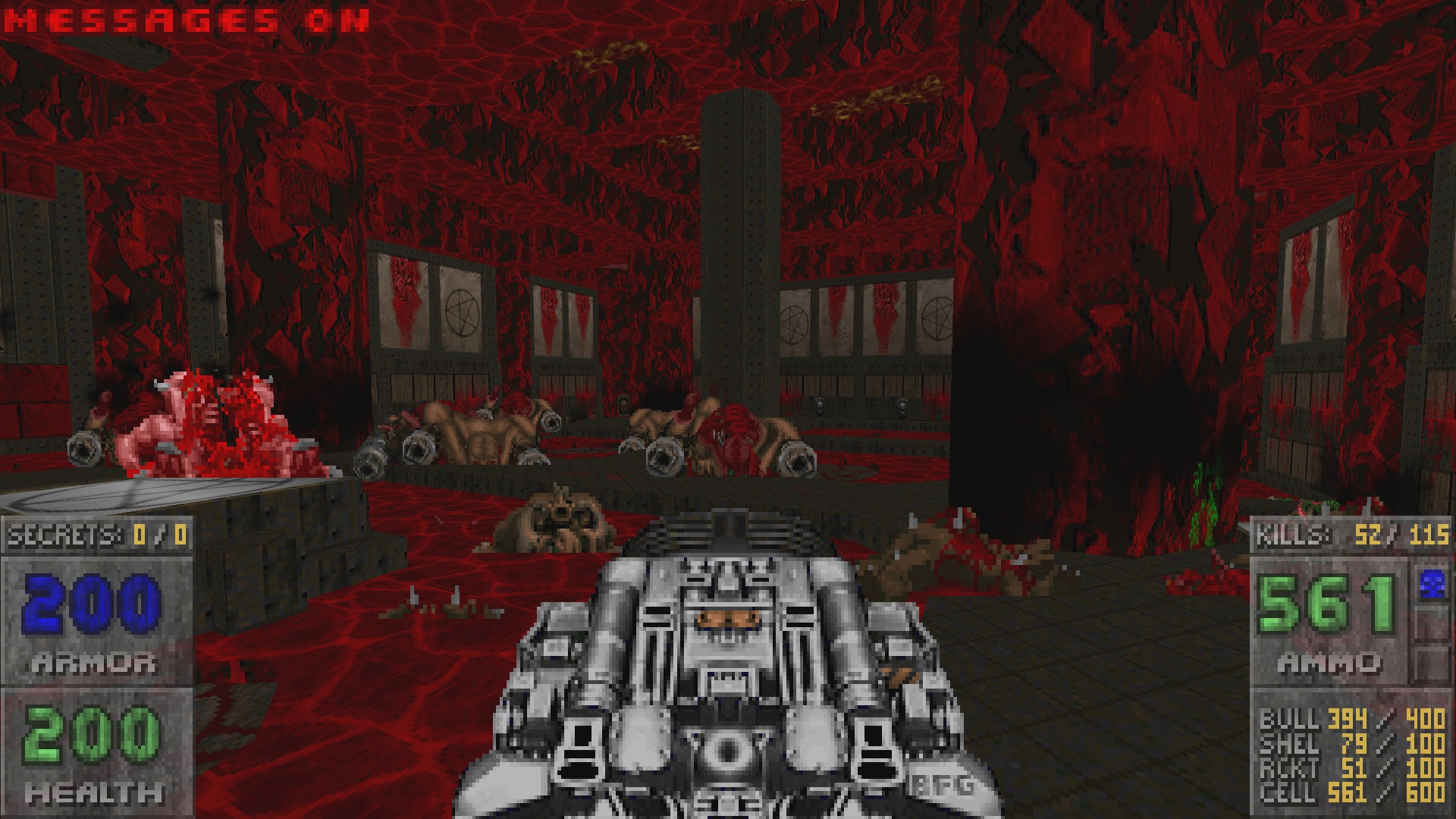
When I sketch maps myself this is the only rule I stick to consistently. Everything else I get wrong on the first pass, but if the first room has one clear direction and one visible promise, the rest usually survives.
← all posts